

Buddha teaching : ค้นหาหนังสือธรรมะ หน้า 8 / 34
หน้าหนังสือทั้งหมด

338
Journey to Joy: Buddhist Centers in Germany and Italy
Journey to Joy
338
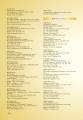
Frankfurt
Wat Buddha Frankfurt
(Meditation Verein Frankfurt Me.V)
Odenwald Str.22, 65479, Ruanheim, Germany
Tel: +(49) 614.2833.0888
Fax: +(49) 614.2833.0890
Email: lpjon2499@hotmai
This text provides a comprehensive list of Wat Buddha centers located in Germany and Italy, including addresses, contact numbers, and email details for each location. Highlights include Wat Buddha Fra
275
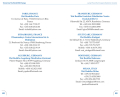
Global Meditation Centers Contact Information
意大利 (Italy)
Fondazione per la meditazione
Via Montichiari 73, 25016 Ghidini (BS), ITALY
Tel. +(39)-30-903-2460
Mobile. +(39)-33-43358849
Wat Buddha Milano
Via Dello Scoiattolo 7, 21052 Busto Arsizio
本页面汇集了全球各地冥想中心的详细联系信息,涵盖意大利、挪威、瑞典、瑞士、英国、丹麦、西班牙及美洲地区的冥想中心,包括地址、电话和电子邮件。无论您身处何地,都能找到附近的冥想地点和与之联系的方式。了解如何通过冥想提升生活质量,欢迎随时与相关冥想中心取得联系,获取更多信息。详情请访问 dmc.tv。
43
Tomorrow The World Will Change - Luang Phaw Dhammajayo's Meditation Societies
Tomorrow The World Will Change
LUANG PHAW DHAMMAJAYO'S MEDITATION SOCIETIES
PARIS, FRANCE
Wat Bouddha Paris
10, Avenue de Paris, 77164 Ferrieres en Brie, France
Tel: +(33) 1.64.77.28.37
Fax:
Luang Phaw Dhammajayo's meditation societies are located across several countries in Europe, providing a serene space for meditation practitioners. In Paris, the Wat Bouddha Paris offers a welcoming e
114
The Buddha's Path to Enlightenment and Influence
Even the Lord Buddha, once enlightened, did not immediately return to Kapilavattthu City to give a Dhamma talk to his father. He realized that if he had done that, his father would not have listened.
After attaining enlightenment, Lord Buddha chose not to return immediately to Kapilavattthu to teach his father. Instead, he focused on sharing his wisdom with the people of Magadha to build his reput
205
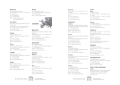
Meditation Centers in the USA and Europe
Minnesota
Minnesota Meditation Center
242 Northdale Blvd NW, Coon Rapids,
MN 55448 USA
Tel.+(763) 682-4623
Fax.+(763) 862-6123
Email: [email protected],
[email protected]
New Jersey
Dhammakaya Int
This document lists various meditation centers located across the USA and Europe, including addresses and contact information for centers in Minnesota, New Jersey, Oregon, Texas, Virginia, Seattle, Ha
32
The Role of Mahā pajā pati Gotaṃi in Early Buddhism
21 Mahā pajā pati Gotaṃi was the younger sister of Queen Mahā mā yā the Buddha’s mother, and was also the wife of King Suddhodana. After Mahā mā yā’s death, she became the Buddha’s foster mother. The
Mahā pajā pati Gotaṃi, sister of Queen Mahā mā yā and wife of King Suddhodana, became the Buddha's foster mother after the queen's death. During the early days of the Buddha's teachings, she advocated
24
The Motives and Challenges of Ordination
Even when the individual knows about the benefits of ordination, it is no small task to give up family and worldly possessions for the sake of Dhamma. The individual must have a strong inner desire, l
The text discusses the difficulties faced by individuals when choosing ordination, which requires strong inner desire and familial support. It recounts the story of Lord Buddha's own decision to ordai
34
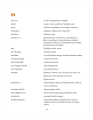
ศึกษาเกี่ยวกับพระพุทธศาสนาและสัญลักษณ์ต่าง ๆ
พยาบาท ill-will; vengefulness; vengeful
พรรษา a year; rains residence, Buddhist Lent
พรม (Brahma) inhabitant of the higher heavens
พรหมจรรย์ celibacy; celibate life; chaste life
พรหมโลก B
บทความนี้กล่าวถึงแนวคิดในพระพุทธศาสนาเช่น พยาบาทและพรรษา พร้อมให้ข้อมูลเกี่ยวกับการที่พระพุทธศาสนาช่วยส่งเสริมคุณธรรมในชีวิต เช่น ความรักและความเมตตาผ่านพระวิหาร 4 และการรับรู้ถึงพระธรรมภายในตัว. นอกจ
56
The Story of the Disciples of Non-Buddhist Teachers
6 The Story of the Disciples of Non-Buddhist Teachers
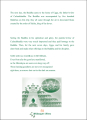
While residing at the Jetavana Monastery, the Buddha spoke these verses, with reference to some disciples of the Titthis (non-Buddhist ascetics).
In the context of the Jetavana Monastery, the Buddha narrates a tale involving disciples of non-Buddhist ascetics known as Titthis. These disciples prohibited their children from mingling with those o
60
The Visit of the Buddha to Ugga's Home
The next day, the Buddha came to the house of Ugga, the father-in-law of Culasubbadda. The Buddha was accompanied by five hundred bhikkhus on this trip; they all came through the air in decorated floa
The Buddha, accompanied by five hundred bhikkhus, visited Ugga, the father-in-law of Culasubbadda. They traveled through the air on decorated floats created by the king of devas, Sakka. The sight of t

19
Celebration of Vesak Day Amid Pandemic
Devotees gather via Zoom during Vesak Day, an annual celebration of Buddha's birth, enlightenment and death. More photos: reut.rs/3tfn5t7
@Akhil_P
Celebrating Buddha's birthday during COVID
Buddhist
On May 29, 2021, celebrations for Vesak Day took place with Buddhist monks and devotees joining both in person and via Zoom due to the COVID-19 pandemic. Monks at Wat Dhammakaya Temple in Rangsit, Tha
3
Garudhamma 8 and Gender Equality in Early Buddhism
Abstract:
Garudhamma 8, What did the Lord Buddha Establish?
by Wilaiporn SUCHARITTHAMMAKUL
This paper deals with the Buddhist outlook on gender issues.
Contemporary feminists have extrapolated moder
This paper investigates the debate surrounding the eight garudhamma and their perceived authenticity in Buddha's teachings, analyzing gender equality in early Buddhism. It reviews claims challenging t
18
Congratulations on the 55th Anniversary of Wat Phra Dhammakaya
Congratulations Message
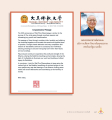
The 55th anniversary of Wat Phra Dhammakaya is similar to the journey of life, while going through countless seasons and witnessing joy, growth and transformation.
The passage
The 55th anniversary of Wat Phra Dhammakaya signifies a journey through various challenges, resulting in a sacred place for practice. This celebration emphasizes the importance of shared dedication an
33
The Buddha's Teachings on Sensory Pleasures
6. Eating a poisonous fruit: The pleasures of the five senses can be compared to a poisonous fruit. The hedonist, in his greed eats the fruit and must endure the ensuing pain and upset as the poison t
The Buddha uses various metaphors to illustrate the dangers of indulgence in sensory pleasures. He likens them to poisonous fruits, sharp weapons, and children's toys, highlighting the inevitable suff
49
The Artistry Behind Preaching the Four Noble Truths
3
The Four Noble Truths
The Artistry Behind Preaching the Four Noble Truths
In the Dhammacakkapavattana Sutta as in his other sermons, the Lord Buddha explains not only Dhamma subjects, but the relat
In the Dhammacakkapavattana Sutta, the Lord Buddha presents the Four Noble Truths, emphasizing their interconnected nature. Each Noble Truth is not standalone; they influence and clarify one another.
96
Understanding the Root of Suffering
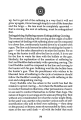
up, but to get rid of the suffering in a way that it will not grow up again, it is not enough simply to cut off the branches and the twigs — the tree must be completely uprooted — that is craving, the
The text discusses how to effectively eliminate suffering by addressing its root cause: craving. It likens the relationship of craving to suffering to a lion hunted by a hunter, emphasizing that unles
156
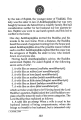
The Tale of Sujāta and the Seven Types of Wives
by the tale of Sujāta, the younger sister of Viṣākha. This lady was the sister in law of Aṇṭhapiṇḍika but was very haughty because she inherited from a wealthy family. She had consideration neither fo
This narrative recounts the tale of Sujāta, who, despite her wealth, was arrogant and disrespectful in her relationships. When invited by Aṇṭhapiṇḍika, the Buddha hears of her conflicts and uses the o
182
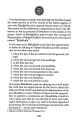
The Path to Nirvana: Konḍaṇṅa's Journey
It is interesting to consider that although the Buddha taught the same sermon to all five monks in the Pañcavaggiya, it was only Konḍaṇṅa who attained stream-entry as a result. The reason for the diff
In the Pañcavaggiya, the Buddha's teachings resonated uniquely with Konḍaṇṅa, who attained stream-entry due to his extensive past merits and dedication. Born as Mahākāla, a rice-farmer during Vipassi
193
The Subtlety of Dhamma and the Buddha's Vocation
Dhamma in even greater subtlety. The Buddha was later to preach in the Simsapa forest that there were more leaves in the forest than he held in the palm of his hand. The 84,000 units of Dhamma which
The Buddha preached the concept of Dhamma, comparing his teachings to leaves in his hand versus the endless phenomena of enlightenment. He remembered his vow to end suffering, driven by compassion for

95
การบำเพ็ญบารมีของพระโพธิสัตว์
calculables and a hundred thousand aeons."
(ขณะที่เป็นพระโพธิสัตว์ พระพุทธองค์ทรงบำเพ็ญทศบารมีมานาน ถึงสื่อสงไขยกับแสน
มหากัปป์)
“Now do you agree that having fulfiled the ten Perfections, the bodhisa
(ขณะที่เป็นพระโพธิสัตว์ พระพุทธองค์ทรงบำเพ็ญทศบารมีมานาน ถึงสื่อสงไขยกับแสน มหากัปป์) “Now do you agree that having fulfiled the ten Perfections, the bodhisatta became Enlightened as the Lord Buddha,